

A truck equipment failure accident can change the course of a person’s life in seconds. When a massive vehicle loses control because of a defective brake, a blown tire, or a malfunctioning coupling device, the results often leave people with severe injuries and lasting hardship. Truck accident victims often want to know who is responsible, how to prove that equipment failure caused the crash, and what legal options exist to recover financial losses.
A Weatherford truck equipment failure accident lawyer at Stephens Law can help you uncover the truth behind what went wrong and pursue accountability from every negligent party involved.
If you or someone you care about was harmed in a collision caused by faulty truck parts in Weatherford, contact our firm today for a free consultation.
Table of Contents
Key Takeaways: Truck Equipment Failure Accidents in Weatherford
- Equipment failure in commercial trucks can result from manufacturing defects, improper maintenance, or faulty repairs, creating liability for multiple parties beyond just the driver.
- Texas law allows victims two years from the date of the accident to file a personal injury claim under the statute of limitations.
- Trucking companies have a legal duty under federal and Texas regulations to maintain their vehicles and ensure all equipment meets safety standards.
- Victims may be entitled to compensation for medical expenses, lost wages, pain and suffering, and property damage when equipment failure causes an accident.
- Evidence such as maintenance records, black box data, and expert testimony is critical to proving equipment failure caused the crash.
What Is Truck Equipment Failure?
Truck equipment failure refers to any malfunction or breakdown in a truck’s mechanical or electrical systems that contributes to a collision. Because commercial trucks are large, heavy, and complex, even a small part failure can lead to devastating outcomes.
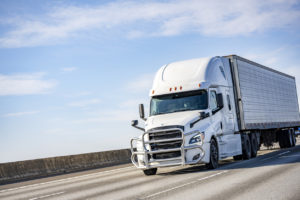
Common Types of Equipment Failures in Commercial Trucks
- Brake system malfunctions: Worn brake pads, defective hydraulic systems, or neglected inspections can cause total braking failure.
- Tire blowouts: Underinflated or defective tires can explode at high speeds, causing the driver to lose control.
- Steering issues: Faulty steering components make it difficult or impossible for drivers to control their trucks safely.
- Lighting or signal defects: Broken lights or electrical issues prevent other drivers from seeing the truck’s movements.
How Equipment Failure Differs from Driver Error
Driver mistakes like speeding or distracted driving stem from human behavior. Equipment failure accidents, by contrast, often trace back to mechanical neglect or faulty components. The key distinction lies in accountability: instead of focusing only on driver conduct, investigators look at whether the truck or its parts functioned as intended.
The Role of Maintenance in Preventing Equipment Failures
Regular maintenance is one of the most effective ways to prevent mechanical breakdowns. Federal law requires trucking companies to inspect vehicles before and after each trip. When companies cut corners to save money or rush deliveries, vital inspections may be skipped, increasing the risk of accidents.
What Causes Truck Equipment Failure in Weatherford?
Weatherford sits at the intersection of major freight routes, and its traffic includes many large trucks traveling along Interstate 20 and U.S. Highway 180. When heavy commercial vehicles share local roads, equipment reliability becomes a matter of public safety.
Manufacturing Defects in Truck Parts
Some accidents occur because parts like brakes or tires were defective when sold. In these cases, the manufacturer may be held responsible under product liability law.
Inadequate or Negligent Maintenance
Trucking companies are legally required to keep their fleets in safe condition. Failure to replace worn components, conduct inspections, or document maintenance can make them liable for resulting crashes.
Improper Repairs or Use of Substandard Parts
Using cheap replacement parts or hiring unqualified mechanics increases the likelihood of breakdowns. A maintenance provider that performs faulty repairs may share fault for a resulting accident.
Overloading and Excessive Wear on Equipment
Trucks that carry loads beyond their rated capacity place immense stress on brakes, tires, and axles. Over time, this leads to premature failure and increased accident risk, especially on steep grades like those found near the Santa Fe Drive overpass.
Who Can Be Held Liable for Truck Equipment Failure Accidents?
Multiple parties often share responsibility for equipment-related crashes. Determining who is liable requires a detailed investigation of maintenance logs, manufacturer records, and driver reports.

Truck Driver Liability
Drivers must inspect their trucks before each trip. If a driver ignored warning signs of mechanical problems or failed to report them, they may share in the liability.
Trucking Company Liability
Trucking companies are responsible for maintaining safe vehicles and keeping detailed inspection records. Neglecting these duties or pressuring drivers to continue operating unsafe trucks can make the company directly accountable.
Maintenance Provider Liability
When third-party repair shops handle truck maintenance, their workmanship must meet safety standards. Poor repairs or skipped inspections can expose these providers to legal liability.
Parts Manufacturer Liability
If the accident resulted from a design or manufacturing defect, the parts manufacturer could face a product liability claim.
Third-Party Contractors and Leasing Companies
Some companies lease their vehicles from outside firms or rely on contractors for upkeep. If these third parties contributed to the failure, they may also bear financial responsibility.
What Are Common Injuries from Truck Equipment Failure Accidents?
Collisions caused by defective truck components often result in severe or life-altering harm due to the size and weight of commercial vehicles.
Catastrophic Injuries and Fatalities
Victims may suffer brain trauma, spinal cord injuries, or severe burns. Sadly, some accidents lead to fatalities, leaving families struggling to rebuild their lives.
Long-Term Disabilities and Rehabilitation Needs
Many survivors require ongoing treatment such as physical therapy, reconstructive surgery, or assistive devices. These needs can last years after the initial truck crash.
Psychological Trauma Following Truck Accidents
Emotional distress, anxiety, and post-traumatic stress disorder often follow devastating collisions. Psychological care becomes a vital part of recovery.
How Does Texas Law Apply to Truck Equipment Failure Cases?
Texas and federal regulations set strict safety standards for commercial trucking operations. Violations of these rules can support a negligence claim.
Federal Motor Carrier Safety Regulations
Federal rules require trucking companies to inspect, repair, and maintain every vehicle in their fleet. Companies must also keep documentation to prove compliance.
Texas Transportation Code Requirements
State law mirrors federal guidelines and mandates that trucks remain in safe operating condition at all times. Failure to comply can result in penalties and civil liability.
Negligence Standards Under Texas Law
A party acts negligently when they fail to use reasonable care under the circumstances. For truck cases, this often includes ignoring safety regulations or failing to repair known issues.
Comparative Fault Rules in Texas Truck Accident Cases
Texas uses a modified comparative fault system. This means your recovery may be reduced by your percentage of responsibility. However, you can still pursue damages if you were less than 51 percent at fault.
What Compensation Can I Recover After a Truck Equipment Failure Accident?
Victims of truck equipment failure crashes often face mounting financial pressure. Legal truck accident claims help offset those burdens by seeking payment from the responsible parties.

Economic Damages: Medical Bills and Lost Income
Economic losses include hospital bills, physical therapy, prescriptions, and income lost while you recover.
Non-Economic Damages: Pain and Suffering
These address the emotional and personal impact of an accident, such as discomfort, reduced quality of life, or loss of companionship.
Punitive Damages in Cases of Gross Negligence
If a company acted with extreme disregard for safety, the court may award punitive damages to punish the wrongdoing and deter future misconduct.
Wrongful Death Damages for Surviving Family Members
When equipment failure leads to loss of life, surviving relatives may seek damages for funeral costs, loss of income, and companionship.
How Do I Prove Equipment Failure Caused My Truck Accident?
Building a strong claim requires clear evidence that defective equipment, not driver behavior alone, caused the crash.
Importance of Accident Scene Investigation
Investigators collect debris, photographs, and witness statements to identify mechanical issues. Tire fragments or brake residue can help confirm what went wrong.
Obtaining Maintenance and Inspection Records
Maintenance logs reveal whether the truck was inspected and repaired properly. Missing or falsified records often indicate negligence.
Using Expert Witnesses to Establish Causation
Mechanical engineers and accident reconstruction specialists can explain how equipment failure led to loss of control or braking power.
Electronic Logging Devices and Black Box Data
Electronic data recorders capture speed, braking, and engine information that helps pinpoint when and how the failure occurred.
What Should I Do After a Truck Equipment Failure Accident in Weatherford?
The hours following a serious crash are often chaotic, but certain steps help protect your health and legal rights.
Immediate Steps at the Accident Scene
Call 911 to report the crash and request medical assistance. Avoid discussing fault with anyone at the scene.
Seeking Medical Attention and Documenting Injuries
Even if injuries seem minor, see a doctor right away. Medical records serve as key evidence linking the accident to your injuries.
Preserving Evidence and Avoiding Common Mistakes
Take photos of the vehicles, road conditions, and your injuries. Avoid posting about the crash on social media, as insurance companies may use it against you.
Contacting a Truck Accident Attorney
An experienced truck accident attorney can begin gathering evidence immediately and communicate with insurers on your behalf while you focus on recovery.
How Long Do I Have to File a Truck Equipment Failure Claim in Texas?
Texas law generally gives injured individuals two years from the accident date to file a personal injury claim.
Exceptions That May Extend the Filing Deadline
Certain situations, such as when the victim is a minor or the responsible party concealed evidence, may extend the timeline.
Why Acting Quickly Protects Your Legal Rights
Prompt action allows your attorney to secure maintenance records and witness statements before they disappear or memories fade.
How Our Attorneys Can Help
Truck equipment failure claims require careful investigation and persistence in holding all responsible parties accountable. At Stephens Law, we focus on building cases that reflect the full scope of each client’s losses.

Thorough Investigation of Equipment Failure Claims
We gather maintenance logs, inspection reports, and electronic data to identify the exact cause of the malfunction.
Identifying All Liable Parties and Insurance Policies
Our attorneys examine every connection in the trucking operation, from the driver to the manufacturer, to ensure all responsible parties are included in the claim.
Negotiating with Insurance Companies and Trucking Corporations
We handle communications with insurers that attempt to minimize payment or shift blame, ensuring your side of the story is fully represented.
Litigating Your Case in Court When Necessary
If responsible parties refuse to resolve the claim fairly, we present your case before a judge and jury to seek accountability through legal means.
Maximizing Your Compensation While You Focus on Recovery
Our goal is to secure fair financial recovery that reflects the impact of your injuries, helping you move forward without the stress of unpaid bills or lost income.
Frequently Asked Questions About Truck Equipment Failure Crashes
Can I sue if the truck driver wasn’t at fault for the equipment failure?
Yes. Even if the driver didn’t cause the malfunction, other parties such as the trucking company, maintenance provider, or parts manufacturer may still be legally responsible.
What if the trucking company blames the manufacturer for the defective part?
Both can be held accountable. Your attorney can file claims against multiple parties and let the evidence determine which one bears the greatest responsibility.
Does Texas require regular inspections of commercial trucks?
Yes. Federal and state regulations require routine inspections and maintenance. Trucking companies must keep records verifying compliance with these laws.
Can I still recover compensation if I was partially at fault for the accident?
Possibly. Under Texas comparative fault rules, you can still pursue damages as long as your share of fault is less than 51 percent.
What happens if the trucking company destroyed maintenance records?
Destroying evidence may lead to serious legal consequences for the company. Courts can impose sanctions or instruct juries to assume the missing records would have been unfavorable to the defendant.
Let Our Weatherford Truck Accident Attorneys Help

Stephens Law stands ready to help those injured in truck equipment failure crashes across Weatherford and Parker County. Our team investigates the cause of equipment failure, identifies all liable parties, and pursues fair compensation that reflects your medical bills, lost income, and other damages.
Call Stephens Law today at (817) 409-7000 for a free, no-obligation case evaluation and learn how we can help you seek accountability after a truck equipment failure accident.


