

Stephens Law Firm | December 22, 2025 | Texas Law
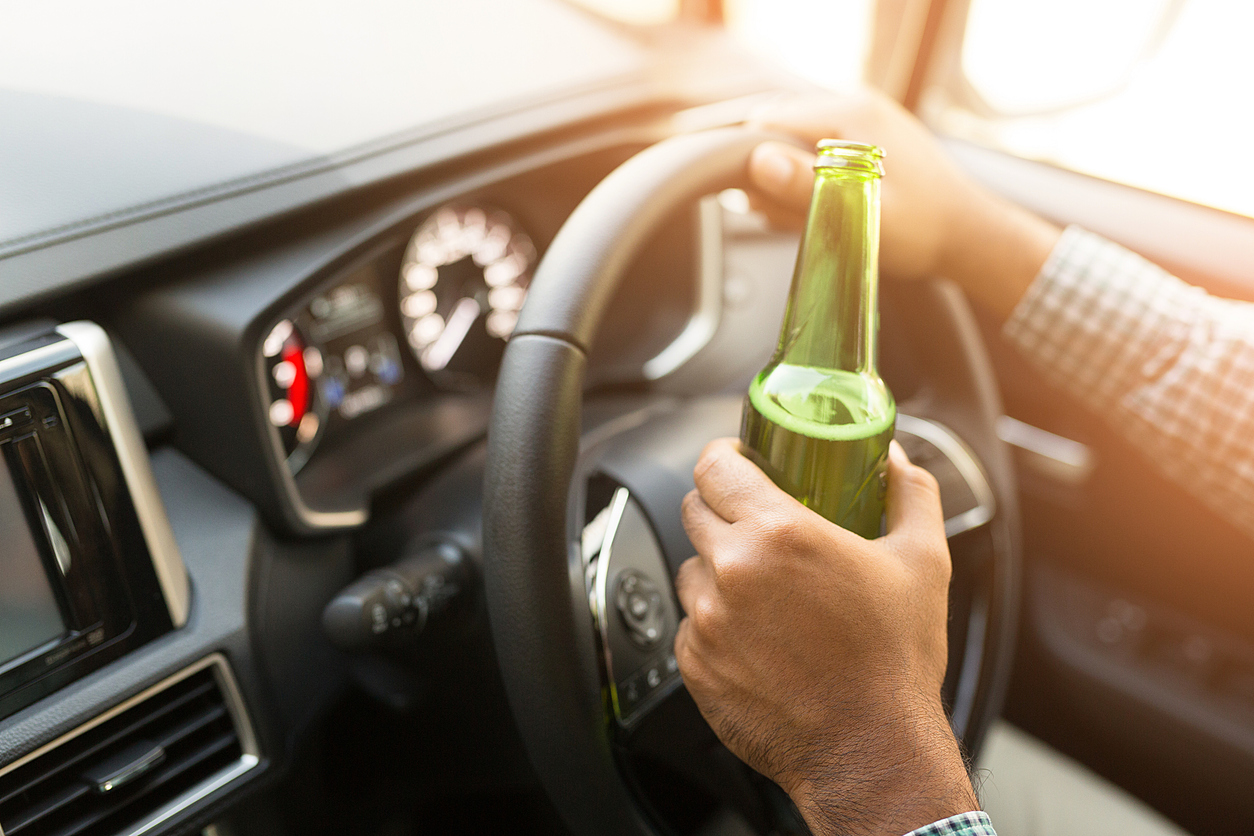
Many people believe a passenger can legally drink alcohol in a moving vehicle as long as the driver is sober. This is a common and dangerous misconception that can lead to unexpected and serious legal trouble.
The state has a strict law that governs how you must transport alcohol, and a simple mistake can escalate a routine traffic stop into a criminal matter. The Texas open container law is not just about preventing drunk driving; it is about eliminating the temptation and the immediate access to alcohol for anyone inside a car.
A violation can result in significant criminal penalties and serve as powerful evidence in a catastrophic accident claim.
The core of the law
- The Texas open container law makes it illegal for any person to knowingly possess an open container of an alcoholic beverage in the passenger area of a motor vehicle on a public highway.
- An open container is any can, bottle, or other receptacle containing any amount of alcohol that is open, has a broken seal, or has had its contents partially removed.
- The passenger area is the area designed for the driver and passengers to sit. The vehicle’s trunk, a locked glove compartment, or the area behind the last upright seat in a vehicle without a trunk are generally excluded.
- A violation is typically a Class C misdemeanor, but the presence of an open container can significantly escalate the penalties for a driver also charged with Driving While Intoxicated (DWI).
The Legal Definition of an Open Container in Texas
The law is very specific about what constitutes a violation. Knowing these definitions is key to avoiding an unintentional offense. The entire statute is designed to create a clear separation between the act of driving and the consumption of alcohol.
The readily accessible standard
The central idea behind the law, found in Texas Penal Code § 49.031, is to prevent anyone in the main cabin of a car from having ready access to an alcoholic beverage. A half-empty bottle of wine sitting on the passenger seat, a beer can in a cup holder, or a flask in the center console are all clear violations, regardless of whether anyone is actively drinking from them.
The simple presence and accessibility are what constitute the offense. A law enforcement officer does not need to prove that anyone consumed alcohol in the vehicle. They only need to show that an open container was present in the passenger area. This low threshold for proof makes it an easy citation to issue during a traffic stop.
The broken seal explained
The law defines an open container as any bottle, can, or receptacle that is open, has a broken seal, or has had its contents partially removed. This is a critical detail that many people miss.
A bottle of liquor with the cap screwed back on tightly is still legally an open container if its original factory seal is broken. The same applies to a bottle of wine that has been re-corked or a growler from a brewery with its cap on. Once that initial seal is gone, the container is considered open forever in the eyes of the law and must be transported in a compliant area.
How the law defines the passenger area
The statute specifically targets the area of a vehicle designed for seating. For a sedan, this means the front and back seats. For an SUV or van, it generally includes all seating areas and any space within reach of those seats.
The bed of a pickup truck or a storage compartment in a hatchback that is separate from the passenger seating is typically not considered part of the passenger area. A truck accident lawyer often explains that a driver or passenger who places an open bottle of alcohol in the trunk of their car before driving has complied with the law.
The element of knowing possession
The law states a person must “knowingly” possess the open container. This introduces an element of intent. In a legal context, this means you were aware of the container’s presence.
However, proving you did not know about an open container in your own vehicle can be very difficult. If a passenger leaves an open can in your car without your knowledge, you could still be cited, and the burden would be on you to prove you were unaware of its presence—something a car accident lawyer can help you address if the situation leads to legal or insurance consequences.
Penalties for Violating the Texas Open Container Law

A violation of the open container law is a criminal offense, and the penalties can affect your finances, your driving record, and even your freedom, especially when combined with other charges.
Misdemeanor charges and fines
An open container violation on its own is a Class C misdemeanor in Texas. A conviction for a Class C misdemeanor is punishable by a fine of up to $500. While this does not typically involve jail time, it does result in a criminal conviction on your record.
This conviction can appear on background checks for employment, housing, or professional licenses, creating unforeseen obstacles long after the fine is paid, particularly for those with commercial driver’s licenses or professional certifications.
How an open container enhances a DWI charge
The penalties become much more severe if a driver is also arrested for DWI. The presence of an open container elevates a standard DWI charge. A first-time DWI is usually a Class B misdemeanor, punishable by a minimum of 72 hours in jail. With an open container, the minimum term of confinement increases to six days in jail.
This action significantly raises the stakes for the accused driver, making it much more difficult for their personal injury attorney to negotiate a plea for a lesser charge.
Long-term impact on your driving record and insurance
A conviction for an open container violation will appear on your driving record. Your car insurance provider will likely see this new offense when it is time to renew your policy.
Insurers view this as a high-risk behavior directly associated with impaired driving. It often triggers a closer look at the insurance claim process, and they will almost certainly increase your premiums as a result—an increase that can follow you for years and cost you thousands of dollars.
In some cases, an insurer may even choose to drop your coverage entirely, forcing you into a high-risk insurance pool with exorbitant rates.
Common Exceptions to the Open Container Rule
The law includes a few specific exceptions that allow for the legal presence of alcohol in certain types of vehicles or situations. These exceptions are narrowly defined.
Storing alcohol in your vehicle legally
The law allows you to transport alcohol you have purchased legally. You may place open containers of alcohol in certain areas of your vehicle. The statute provides clear guidelines for the lawful transportation of previously opened alcoholic beverages.
These areas are considered outside the passenger area of the vehicle.
- The trunk of your vehicle.
- A locked glove compartment.
- The area behind the last upright seat, if your vehicle does not have a trunk.
Placing a bottle in one of these locations demonstrates that it is not readily accessible to the driver or passengers. This simple action is the key to compliance.
Passengers in commercial vehicles
The open container law generally does not apply to passengers in vehicles designed, maintained, or used for the transportation of people for compensation. This commonly includes vehicles like limousines, charter buses, taxis, or party buses. Passengers in these vehicles may legally consume alcohol, though the driver is still strictly prohibited from doing so.
The motor home exception
An exception also exists for the living quarters of a motor home or recreational vehicle. Because these areas are designed as a residence, the law does not prohibit the presence of an open container of alcohol within that space.
This exception does not apply to the cab or driving area of the motor home while it is on a public highway.
The Civil Implications in a Catastrophic Accident Claim
The presence of an open container of alcohol in a vehicle involved in a serious crash is a powerful piece of evidence. It often signals a driver’s disregard for safety and can be a key factor in proving negligence in a catastrophic injury or wrongful death claim. Our firm’s history of case results in handling claims involving impaired drivers shows that this evidence can be pivotal.
Using the violation as evidence of negligence per se
A police officer who finds an open container at an accident scene immediately suspects impairment. In a civil lawsuit, a violation can be used as evidence of Negligence and negligence per Se. This legal doctrine means that if a person violates a safety law and that violation causes the type of harm the law was designed to prevent, the person is automatically presumed to be negligent.
The open container law was designed to prevent impaired driving accidents. A driver who violates it and causes a crash can be considered negligent as a matter of law, which significantly strengthens a victim’s case.
Strengthening a claim for punitive damages
In some cases of extreme negligence, a victim may pursue punitive damages. These are damages intended to punish the at-fault party and deter similar conduct in the future.
The presence of an open container, especially when combined with a DWI, shows a conscious disregard for the safety of others. This is exactly the type of behavior that punitive damage awards are designed to address.
Proving a right to punitive damages requires a higher standard of proof, and evidence like an open container helps meet that standard.
Gaining leverage in insurance negotiations
From a practical standpoint, evidence of an open container violation gives your legal team significant leverage when negotiating with the insurance company. The insurer knows this evidence is very damaging and makes it much more difficult for them to defend their client’s actions in court.
A Fort Worth jury is unlikely to be sympathetic to a driver who caused a serious injury while an open beer can was in their console. This risk often leads to a more serious and fair settlement offer to avoid a trial.
FAQ for Texas Open Container Law
Can a passenger receive an open container ticket even if the driver is sober?
Yes. The law applies to any person in the vehicle. A passenger holding an open beer can while their completely sober friend is driving has violated the law and can receive the citation.
Does a bottle with the cap screwed back on count as an open container?
Yes. An original seal on the bottle that has been broken means it is legally considered an open container. Simply putting the cap back on a bottle of liquor or a bottle of wine does not make it a sealed container again. You must transport it in the trunk or another exempt area.
What if the car is parked? Can I have an open container then?
The law applies to vehicles that are on a public highway. This includes instances when the vehicle is stopped or parked on the road or its shoulder. A parked car in a private parking lot or on your own property means the state’s open container law does not apply, though other public intoxication laws might.
Protecting Victims of Negligent Driving

The laws against open containers and drunk driving exist to prevent senseless tragedies. A driver who ignores these laws and causes catastrophic harm must be held accountable.
If an impaired or negligent driver has injured you or a loved one, you do not have to face the fight alone. Call our office immediately to discuss your case.
