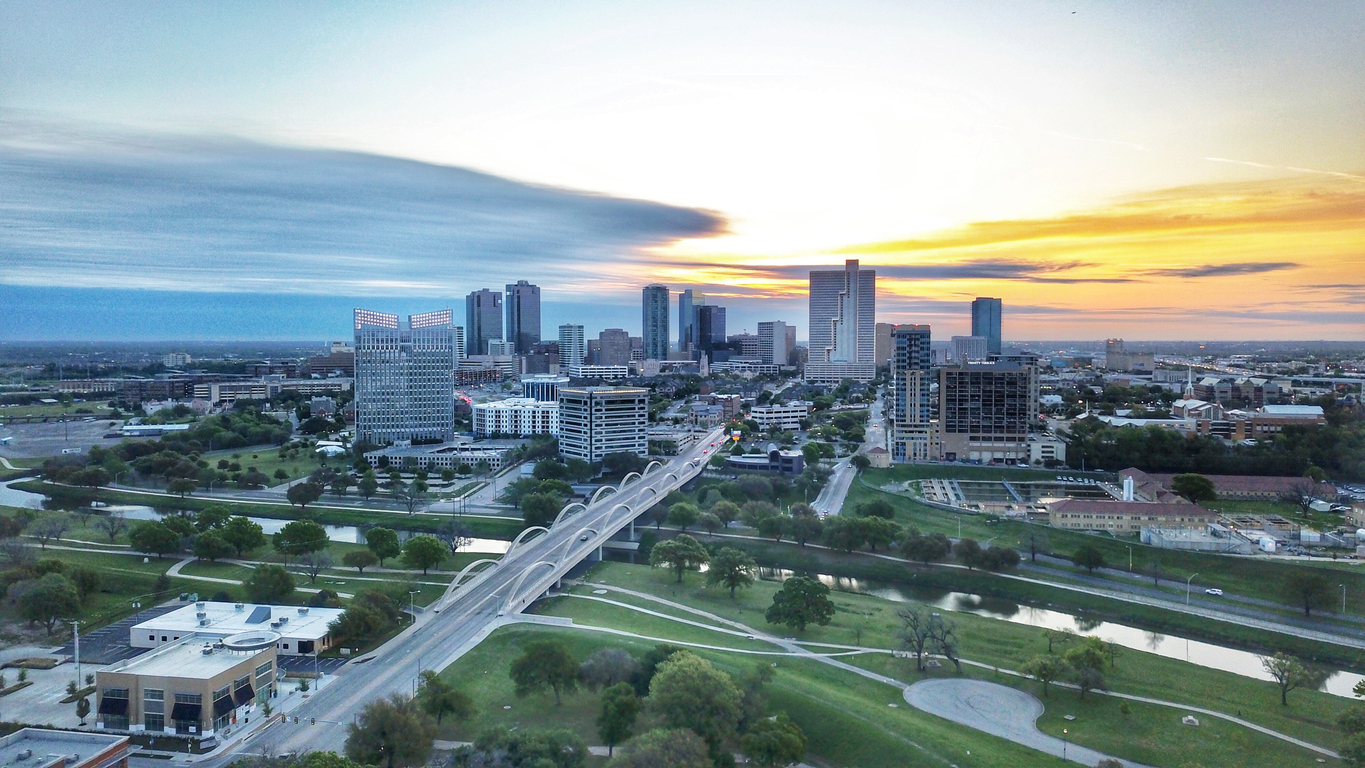
Fort Worth has grown dramatically. With more than a million residents and a highway system carrying freight, commuters, and visitors around the clock, the volume of traffic on roads like I-35W, I-30, and Loop 820 creates daily risk.
- According to the Texas Department of Transportation, Fort Worth recorded 12,865 crashes in 2024, resulting in more than 6,600 injuries and 116 fatalities. That averages out to roughly 35 collisions every single day.
- The East Lancaster and Riverside Drive corridor has consistently ranked among the city’s most crash-prone intersections. The stretch of I-35 running through downtown, with its merging lanes and high-speed traffic, generates serious collisions with regularity.
The Alliance area in north Fort Worth, where commercial freight traffic is heavy, presents its own set of risks for everyday drivers who share the road with large trucks.
Fort Worth Personal Injury Claims Involving Commercial Trucks
The Dallas-Fort Worth region is one of the busiest commercial freight corridors in the country. Alliance Airport and the network of major interstates surrounding Fort Worth carry a constant stream of commercial vehicles, including 18-wheelers, delivery fleets, and hazardous materials carriers. When one of these vehicles is involved in a crash, the consequences for the occupants of a passenger vehicle are often severe.
Trucking cases are more complex than standard motor vehicle claims. Multiple parties may carry liability, including the driver, the carrier, a loading company, or a maintenance contractor.
Federal regulations govern commercial carriers through the Federal Motor Carrier Safety Administration (FMCSA), and violations of those regulations can become central to a claim. Evidence from electronic logging devices, inspection records, and driver qualification files can be critical, but it must be preserved quickly.
Our firm moves fast in these cases for exactly that reason.
When a Fort Worth Accident Results in Catastrophic Injury
Some crashes leave lasting marks. Traumatic brain injuries, spinal injuries, amputations, and severe burns may require care that extends for years, or permanently.
These injuries often influence claim complexity significantly: future medical costs must be projected, lost earning capacity must be evaluated, and the full scope of a person’s altered life must be documented and presented in a way that reflects what was actually taken from them.