



Few motor vehicle crashes we see in and around Fort Worth leave families with the kind of devastation that a fully loaded commercial truck can cause. If you were seriously injured or lost a loved one in a truck crash because someone failed to use reasonable care, you need an experienced Fort Worth truck accident lawyer with years of experience handling these cases.
Stephens Law has secured two of the top five truck crash settlements in all of Texas. We also landed the largest known truck accident settlement in Tarrant County history.
Stephens Law represents people in Fort Worth and across Texas after devastating semi-truck and other big rig crashes. We limit the number of cases we accept because cases this serious deserve time, preparation, and personal attention.
Call us at 817-420-7000 or contact us online for a free consultation. There is no pressure or obligation, and you pay no legal fees unless we win your case.
Table of contents
- Why Do I Need a Fort Worth Truck Accident Lawyer?
- Why Should I Hire Stephens Law for a Fort Worth Truck Accident?
- Has Stephens Law Handled Serious Truck Accident Cases Like Mine?
- What Types of Truck Accidents Do Our Fort Worth Lawyers Handle?
- How Do We Build a Truck Accident Case Before Evidence Disappears?
- Who May Be Responsible for a Fort Worth Commercial Truck Crash?
- What Compensation May Be Available After a Fort Worth Truck Accident?
- How Do Texas Fault Rules and Filing Deadlines Affect a Truck Accident Claim?
- Frequently Asked Questions About Hiring a Fort Worth Truck Accident Attorney
- Talk With a Fort Worth Truck Accident Lawyer Built for Serious Cases
Why Do I Need a Fort Worth Truck Accident Lawyer?
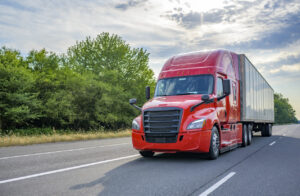
Truck accident claims are difficult to handle on your own because much of the evidence is controlled by the trucking company, and more than one person or business may share responsibility. The driver, motor carrier, maintenance company, cargo loader, or another contractor may all need to be investigated.
Our Fort Worth truck accident attorneys look at who controlled the driver, truck, cargo, and maintenance, then work to preserve the records that may show what went wrong.
Driver logs and electronic truck data, for example, may reveal how long the driver had been working and whether fatigue contributed to the crash. The Federal Motor Carrier Safety Administration (FMCSA) limits how long many commercial drivers may drive and remain on duty.
Other evidence may include engine control module data, dash-camera footage, dispatch messages, inspection and maintenance records, phone records, and witness accounts. Together, those records can help show whether speed, fatigue, distraction, poor maintenance, scheduling pressure, or another safety failure caused the collision.
The trucking company and its insurer may begin investigating almost immediately. We can move just as quickly to preserve evidence before it is lost, overwritten, or destroyed and make sure the people responsible for the crash are not overlooked.
Handling the claim also means dealing with insurers that may dispute fault, minimize your injuries, or push for an early settlement. That becomes especially risky when you are still recovering and do not yet know whether you will need future treatment or how the injuries will affect your ability to work.
We evaluate the medical evidence, financial losses, available insurance, and long-term effects of the injury before advising you about a settlement. If the trucking company or insurer will not resolve the case fairly, we are prepared to take the case to court.
Why Should I Hire Stephens Law for a Fort Worth Truck Accident?
Stephens Law is built around serious personal injury and wrongful death cases, not a high-volume model. Founder Jason Stephens purposefully limits the cases the firm accepts so he and his team can become personally invested in the people they represent and prepare each claim with a trial-ready strategy.
That limited-caseload model changes the work that goes into your claim. Jason stays personally involved in serious cases, while the team can devote time to company records, expert analysis, long-term damages, and trial preparation instead of pushing files through a volume system.
“When I take on a case, my client’s problem becomes my problem, and I am driven to righting that wrong.” — Jason Stephens
Founder Jason Stephens has spent his legal career representing people and families facing life-changing harm. Today, he works with Stephens Law’s current attorneys and support team to carry that purpose into catastrophic truck accident cases.
His professional recognition includes:
- American College of Trial Lawyers (Fewer than 1% of Trial Lawyers in the United States)
- Top 10 Trucking Trial Lawyer (2023—present)
- Top 100 Trial Lawyer, The National Trial Lawyers Association (2011—present)
- Top 100 Super Lawyer in Texas (2025—present)
- Top 100 Super Lawyer in Dallas/Fort Worth (2017, 2018, 2024—present)
- Texas Super Lawyer—23 Consecutive Years (2004—present)
Jason has also served as president of the Tarrant County Trial Lawyers Association, as an officer in the United States Army Reserves, and he supported community organizations, including Big Brothers Big Sisters and foundations funding childhood cancer research.
When you hire Stephens Law, your truck accident claim receives the attention of a team that has spent years preparing high-stakes cases against trucking companies, corporations, and insurers.
Has Stephens Law Handled Serious Truck Accident Cases Like Mine?
Stephens Law has obtained major recoveries in truck accident cases involving wrongful death, traumatic brain injury, fractures, back injuries, and other catastrophic harm. Those results show the type and scale of trucking cases our team has handled.
Representative results include:
- $43,240,000 for wrongful death involving a commercial truck accident.
- $33,363,863 for wrongful death involving a truck accident.
- $13,608,247 for parents who lost their adult daughter in an 18-wheeler accident.
- $12,482,891 for a traumatic brain injury involving an 18-wheeler wreck.
- $2,789,570 for multiple fractures involving an 18-wheeler accident.
- $1,710,518 for a back injury involving a commercial truck accident.
Past results do not guarantee a similar recovery. Compensation depends on the evidence, injuries, available insurance, responsible parties, and other facts.
“Jason and his team will work hard for you. They have done a wonderful job representing my family and I after being involved in an accident.” – C. Lemmon
A serious truck case needs financial resources and legal preparation. It also needs communication and a team that does not treat your family as another file number. That combination is central to how Stephens Law works.
Talk with us about your case. Call 817-420-7000 for a free case review with our Fort Worth team.
What Types of Truck Accidents Do Our Fort Worth Lawyers Handle?
Stephens Law handles serious crashes involving 18-wheelers, tractor-trailers, delivery trucks, tankers, cement trucks, and other commercial vehicles. The way a truck crashes can point toward different evidence, safety failures, and responsible parties.
- Jackknife and rollover crashes: A trailer may swing across lanes, or a truck may overturn after unsafe speed, braking, steering, cargo shift, or loss of control. Jackknife crashes can involve several vehicles at once.
- Underride and override collisions: Passenger vehicles may slide beneath a trailer or be forced under part of a truck, often producing catastrophic or fatal injuries.
- Rear-end, sideswipe, and wide-turn crashes: Speed, stopping distance, blind spots, lane position, and driver attention may become central evidence.
- Cargo and lost-load crashes: Improper cargo securement can cause shifting freight, rollovers, debris strikes, or loss of control.
- Tanker and hazardous-material crashes: Hazardous-material truck accidents can add fire, chemical exposure, specialized cargo rules, and additional contractors to the investigation.
- Delivery and company-vehicle crashes: Local and regional fleets may involve employer control, contractors, dispatch records, and commercial insurance.
Fort Worth’s freight network brings heavy commercial traffic through roads, such as I-35W, I-20, Loop 820, I-30, and US-287, especially around the Alliance area in north Fort Worth. Crash location can help identify roadway evidence, nearby cameras, witnesses, and the commercial route the truck was traveling.
How Do We Build a Truck Accident Case Before Evidence Disappears?
Our truck accident team starts by identifying the evidence that can explain how the crash happened and who controlled the decisions behind it. We then preserve, collect, and test that evidence against the driver’s conduct, company practices, vehicle condition, and your losses.
Early evidence preservation
We may seek electronic logging device (ELD) information, engine and braking data, dash-camera video, dispatch messages, driver qualification records, inspection reports, maintenance files, photographs, witness accounts, and other records tied to the crash.
A fatigued-driving investigation may also compare dispatch schedules and duty records with applicable federal limits. Our discussion of truck driver fatigue and serious Texas truck accidents explains why those records can become significant.
Company and safety records
A truck driver’s mistake may be only part of the story. Hiring decisions, training, supervision, vehicle maintenance, route demands, cargo handling, or company safety practices may point to additional responsibility.
Fort Worth freight moves through commercial corridors such as I-35W, I-20, Loop 820, and US-287. Crashes on these routes may involve interstate carriers, regional fleets, local contractors, or delivery companies with records held in several places.
Full documentation of the loss
We examine how your injuries affect treatment, work, mobility, family responsibilities, and future needs. A traumatic brain injury, spinal injury, amputation, severe fracture, or permanent impairment may require medical and financial planning far beyond the first hospital bill.
When the crash causes a death, we approach the legal work with the care a grieving family deserves. Texas provides separate wrongful death and estate-based claims in some cases, and Texas wrongful death law controls who may bring certain claims.
Trial-ready preparation
We do not assume a serious claim will settle on fair terms. We build the record so we can negotiate from evidence and prepare your case for trial if the trucking companies and their insurers refuse to offer you a fair deal.
This approach gives your case leverage in negotiations. Without a team of trial-ready lawyers backing you, insurance companies will make early settlement offers that don’t reflect the true scope and value of your actual losses.
We determine how much your case is truly worth, identify all the liable parties and their insurers, and fight for the maximum compensation. We don’t settle for less.
Who May Be Responsible for a Fort Worth Commercial Truck Crash?
A Fort Worth commercial truck crash may involve more than the driver. Our investigation looks at each person or business whose conduct may have contributed to the collision, then connects that conduct to the available evidence.
| Potentially responsible party | What we examine |
|---|---|
| Truck driver | Speed, distraction, fatigue, impairment, lane changes, following distance, braking, and compliance with safety rules. |
| Motor carrier or trucking company | Driver hiring and qualification, training, supervision, scheduling, maintenance practices, and the company’s legal relationship with the driver. |
| Maintenance or repair contractor | Inspection records, repair work, brake or tire service, and whether poor maintenance contributed to a mechanical failure. |
| Cargo-loading company | Load weight, securement, distribution, and whether shifting or falling cargo affected control of the truck. |
| Vehicle or parts manufacturer | Evidence of a defective tire, brake component, steering system, or another product failure. |
| Other drivers or businesses | Conduct that contributed to a chain-reaction crash or created another independent source of responsibility. |
The name on the side of the truck does not always tell you which company employed the driver, owned the tractor or trailer, controlled maintenance, or arranged the load. We trace those relationships before deciding which parties we should pursue.
Contractor Relationships and Commercial Insurance
Calling a driver an independent contractor does not, by itself, settle whether a carrier may share responsibility. We examine who controlled the driver’s work and the contracts involving carriers, brokers, shippers, loaders, and maintenance companies. We also identify the commercial policies and coverage layers connected to each potentially responsible party.
We handle crashes involving commercial delivery vehicles, not only long-haul tractor-trailers. Claims involving FedEx, UPS, and other delivery truck accidents may raise different questions about company control, contractors, and insurance.
What Compensation May Be Available After a Fort Worth Truck Accident?
Compensation in a serious truck accident claim may address both the money the crash has cost you and the personal losses that come with a major injury. We document each category with evidence rather than relying on a generic settlement formula.
Depending on the case, recoverable damages may include:
- Medical costs: Emergency treatment, surgery, hospitalization, rehabilitation, medication, therapy, medical equipment, and future care.
- Lost income and earning capacity: Pay you missed and income you may lose if the injury limits the work you can perform.
- Physical pain and mental anguish: The human effects of the injury, treatment, and recovery.
- Physical impairment and disfigurement: Loss of function, reduced independence, scarring, amputation, or other permanent changes.
- Property loss: Repair or replacement of your vehicle and other damaged property.
No amount of money can ease the pain of losing someone you love in a truck crash or truly compensate you for all your family is going through. However, a wrongful death claim following a Texas truck accident may provide financial support for certain losses your family has suffered. A related estate claim may also address losses your loved one experienced before death.
We look beyond the bills already on your kitchen table. A serious claim should also account for supported future losses if the medical evidence shows that the crash may continue to affect your health, work, or independence.
How Do Texas Fault Rules and Filing Deadlines Affect a Truck Accident Claim?
Texas follows a modified comparative negligence rule (Texas Civil Practice and Remedies Code Chapter 33). You may recover compensation if you are 50% or less at fault, but your recovery is reduced by your share of responsibility. If you are more than 50% at fault, you cannot recover damages.
That makes blame more than an argument about who caused the crash. Every percentage assigned to you can reduce the amount you recover, giving trucking companies and insurers a strong incentive to shift as much responsibility as possible to you.
Our Fort Worth truck accident lawyers use truck data, company records, physical evidence, and witness accounts to challenge blame that the evidence does not support.
Texas also has a two-year statute of limitations for personal injury claims (Texas Civil Practice and Remedies Code § 16.003). In most truck accident cases, that means you have two years from the crash to file a lawsuit.
If you lost someone you love in the crash, the same law generally gives eligible beneficiaries two years from the date of death to bring a wrongful death lawsuit. Some exceptions can change these deadlines, so we confirm the time limit that applies to your case early rather than risk relying on the wrong date.
Frequently Asked Questions About Hiring a Fort Worth Truck Accident Attorney
How do I know if I have a truck accident case?
You may have a claim if a truck driver, trucking company, contractor, or another party contributed to the crash and you suffered injuries or other losses. We can review what happened, identify the companies involved, and explain whether the facts support a claim.
How much does it cost to hire a Fort Worth truck accident lawyer?
Stephens Law handles truck accident cases on a contingency fee basis. You pay no attorney fees up front. We only get paid if we recover compensation for you. Your initial consultation is free.
How long does a truck accident case take?
A serious truck accident case may take several months or longer. The timing depends on your injuries, the number of responsible parties, disputes over fault, and whether the case must be litigated. We do not rush a case before we know the full extent of your losses.
Will I have to go to court?
Not necessarily. Many truck accident claims settle without a trial. We still prepare serious cases for litigation because a trucking company or insurer may refuse to offer fair compensation. If that happens, we are prepared to take the case to court.
What if I already gave the trucking company’s insurer a recorded statement?
You may still have a claim even if you already gave a recorded statement. We can review what you said, compare it with the evidence, and address any attempt by the insurer to take your words out of context or use them to unfairly shift blame.
Should I wait until I finish medical treatment before calling a truck accident lawyer?
No, you do not need to finish treatment before speaking with a Top Fort Worth personal injury attorney. Important truck and company records can disappear while you are still recovering. We can begin preserving evidence now while your doctors continue to determine the full extent of your injuries.
How much is my Fort Worth truck accident case worth?
The value of your claim depends on the seriousness of your injuries, how they affect your work and daily life, who was responsible, and the insurance coverage available. Future medical care and lost earning ability can also significantly affect the value of a catastrophic injury claim.
Can I file a truck accident claim if I was a passenger?
Yes, you may have a claim if you were injured as a passenger in a crash involving a commercial truck. Depending on what caused the collision, the truck driver, trucking company, another driver, or other businesses may be responsible for your injuries.
Talk With a Fort Worth Truck Accident Lawyer Built for Serious Cases

When your injuries or your family’s loss carry long-term consequences, the lawyer you choose should be prepared to give your case sustained attention. Stephens Law limits its caseload because catastrophic trucking cases demand investigation, resources, strategy, and personal involvement.
Our Fort Worth office is located at 1300 S University Dr #300, Fort Worth, TX 76107. Call 817-420-7000 or contact Stephens Law online for a free, no-pressure case review.
You have no obligation to hire us, and you pay no legal fee unless we recover compensation for you. Tell us what happened. We will listen, answer your questions, and explain how your case can progress from here.
Stephens Law | Personal Injury | Wrongful Death | Truck Accidents Fort Worth Office
1300 S University Dr #300
Fort Worth, TX 76107
Ph: (817) 420-7000