





Stephens Law Firm | October 9, 2025 | Personal Injury Law
Losing a limb in a commercial truck accident immediately changes every aspect of your future. The costs extend far beyond the initial surgery, including a lifetime of medical care, sophisticated prosthetics, home modifications, and the loss of earning capacity.
In Texas, the law allows you to pursue compensation that accounts for these lifelong needs, not just the immediate bills. This process involves holding the responsible parties, such as the driver and the trucking company, accountable for the full impact on your life.
Our role at Stephens Law is to manage this legal process, ensuring every future cost is calculated and pursued. If you have a question about an injury from a truck accident, call us at (817) 420-7000.
Key Takeaways for Amputation Injury Claims
- Compensation must cover all lifetime costs, not just initial medical bills. An amputation requires decades of care, including expensive prosthetics, ongoing therapy, and home modifications, which a comprehensive claim is designed to fund.
- Multiple parties beyond the driver may be liable for the accident. We investigate the trucking company for negligent hiring or poor maintenance, cargo loaders for improperly secured freight, and even parts manufacturers for equipment failure.
- Your actions after the accident affect the strength of your claim. Avoid giving recorded statements to insurers, posting on social media, or accepting a quick settlement offer, as these actions are used to devalue your case.
What Are the Full Lifetime Costs of an Amputation Injury?
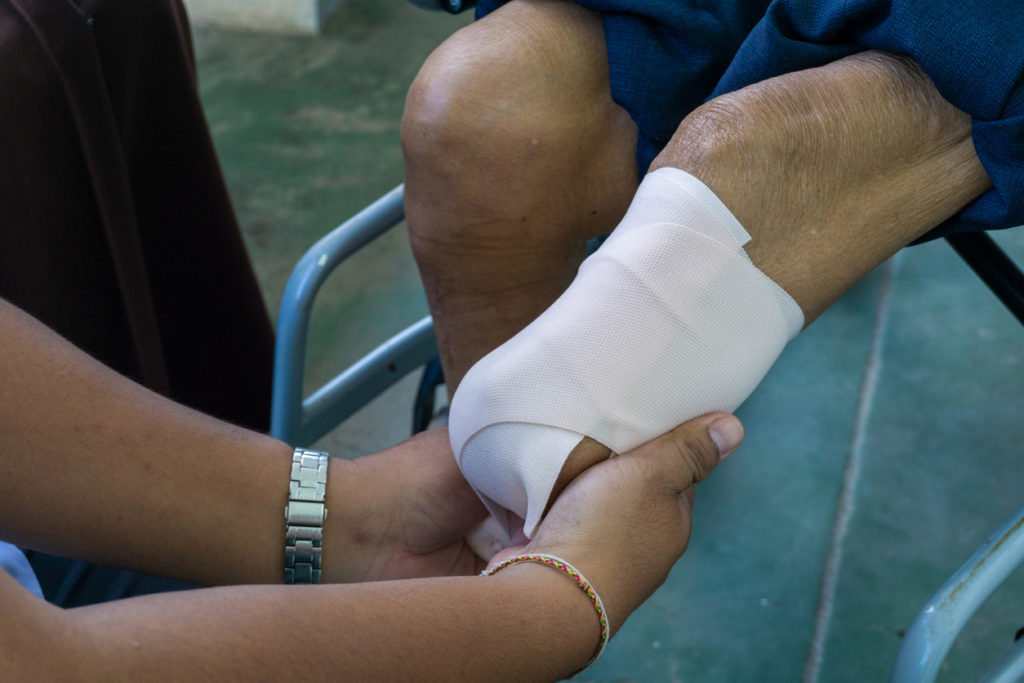
The true financial impact of an amputation unfolds over a lifetime and easily reaches into the millions of dollars. One study estimated the projected lifetime healthcare cost for a person with an amputation is over $500,000, and this figure typically excludes the non-medical expenses that rewrite a family’s budget.
Consider these costs that are frequently overlooked in the early days of recovery:
- Ongoing Medical Treatment: This includes additional surgeries, pain management, physical therapy, and treatment for secondary issues like infections or phantom limb pain.
- Prosthetics: A single modern prosthetic limb costs anywhere from $5,000 to over $50,000, and it typically needs to be replaced every few years. Technologically advanced, more functional prosthetics carry even higher price tags.
- Vocational Rehabilitation: You may need entirely new job skills and training to re-enter the workforce, a process that requires significant time and resources.
- Home and Vehicle Modifications: Your home may require ramps, wider doorways, and modified bathrooms to be accessible. Your vehicle will likely need hand controls or other adaptations to allow you to drive.
- Psychological Care: The emotional and mental toll of a sudden, traumatic amputation is significant. Long-term counseling and support are necessary to adjust to a new reality.
A comprehensive legal claim is designed to account for all of these future expenses. We work with medical and financial planners to build a detailed life care plan. This becomes the foundation of our demand for compensation, ensuring you are not left with unexpected bills decades from now.
Who Is Held Accountable When a Truck Accident Causes an Amputation?
One of the key difficulties in a commercial truck accident case is that responsibility could extend beyond just the driver. Our investigation focuses on identifying every party whose negligence contributed to the incident. This might include:
The Truck Driver
Did they violate hours-of-service rules meant to prevent fatigue? Were they speeding, distracted, or under the influence? We analyze logbooks, toxicology reports, and electronic data to answer these questions.
The Trucking Company (Motor Carrier)
A company may be held liable for its own negligence. This includes:
- Negligent Hiring: Did they hire a driver with a history of reckless driving?
- Inadequate Training: Did they fail to properly train their drivers on safety protocols?
- Poor Maintenance: Was the truck’s braking system, tires, or other equipment in a state of disrepair due to the company cutting corners? Federal regulations, like the Federal Motor Carrier Safety Regulations (FMCSR), set strict standards for vehicle inspection, repair, and maintenance.
The Cargo Shipper or Loader
If improperly loaded or secured cargo shifts during transit, it causes the driver to lose control. The company that loaded the freight may share responsibility.
The Vehicle or Parts Manufacturer
If a defective tire, brake system, or steering component fails, the manufacturer may be held liable for the failure of its product.
Simply put, we build a case by tracing the chain of events back from the moment of impact. The goal is to ensure that every responsible party contributes to the compensation needed for your recovery. Texas law, under a concept known as proportionate responsibility, allows blame to be allocated among multiple parties.
What Is the Process for Recovering Compensation in Texas?
Here is how we typically handle an amputation injury claim from our office:
- Investigation and Evidence Preservation: The first thing we do is send letters to the trucking company to preserve essential evidence, like the truck’s black box recorder and driver logs, before it is legally destroyed. We gather police reports, witness statements, and photos from the scene.
- Building Your Damages Case: While our investigators determine fault, our legal team works with you, your doctors, and life care planners to document the full extent of your injuries and future needs. This is where we calculate the lifetime costs discussed earlier.
- Filing the Claim and Negotiation: We present a detailed demand package to the responsible insurance companies. These are businesses, and their goal is to resolve claims while protecting their profits. They will conduct their own investigation to argue for a lower payout. Our role is to counter their arguments with clear evidence in personal injury case.
- Filing a Lawsuit: If the insurance companies do not offer fair compensation, we file a lawsuit. In Texas, you generally have a two-year deadline from the date of the injury to file. The lawsuit begins a formal process of information exchange called “discovery” and moves the case toward a potential trial. Many cases settle during this phase as the evidence becomes clearer to both sides.
What Actions Could Weaken Your Amputation Injury Claim?
After such a traumatic event, it is easy to take a misstep that makes securing fair compensation more difficult. Be mindful of the following:
- Giving a Recorded Statement to the Trucking Company’s Insurer: You are not required to do this. Insurers use these statements to find information that argues you were partially at fault. Instead, direct them to your legal counsel, who will handle all communications.
- Posting on Social Media: Insurance investigators will review your social media profiles. Photos or comments, even if innocent, may be taken out of context to suggest your injuries are not as severe as you claim. We advise pausing all social media activity while your claim is active.
- Delaying Medical Treatment or Not Following Doctor’s Orders: Gaps in treatment are used to argue that you either weren’t seriously injured or that you made your condition worse through your own inaction. Maintain consistent medical care for your health and to document the extent of your claim.
- Accepting an Early Settlement Offer: The first offer is almost never the best offer. It is usually made before the full, long-term costs of your injury are known. Accepting it means you forfeit your right to seek any further compensation, even if your medical needs turn out to be far greater.
Family Impact and Long-Term Financial Security Planning for Amputation Cases
Amputation injuries devastate entire families, creating legal claims and financial challenges that extend far beyond the injured person’s medical expenses.

How Amputation Injuries Affect Spouses and Children
Spouses of amputation victims face immediate career sacrifices as they transition into full-time caregiving roles. Many must quit jobs or reduce work hours to assist with daily activities, medical appointments, and rehabilitation therapy during the extensive recovery process. These career interruptions result in lost income, missed promotions, and reduced retirement contributions that should be calculated as separate damages in your claim.
Loss of consortium claims provide spouses with compensation for the loss of companionship, affection, and household services that result from amputation injuries. Texas law recognizes that marriages suffer when one spouse becomes disabled and requires extensive caregiving support, making these claims valuable additions to overall family recovery.
Children of amputation victims experience their own trauma that requires professional support and lifestyle adjustments. The parent who once coached sports teams, participated in physical activities, or provided hands-on guidance may no longer have that capacity. These children often need psychological counseling, educational accommodations, and therapeutic support that creates additional expenses while they process their parent’s sudden disability.
Government Benefits Coordination Protects Long-Term Security
Amputation victims often qualify for Social Security Disability Income, Medicare, Medicaid, and veterans’ benefits that provide essential long-term support. However, large settlement amounts disqualify recipients from these programs entirely, creating situations where settlement proceeds eliminate access to government healthcare and support services that amputation victims depend on for decades.
Special Needs Trusts allow amputation victims to preserve both settlement funds and government benefit eligibility simultaneously. These court-supervised trusts supplement rather than replace government benefits by placing settlement proceeds in specially structured accounts that comply with federal benefit program requirements. The trusts pay for expenses that government benefits don’t cover, such as home modifications, advanced prosthetics, and quality-of-life improvements.
Medicare Set-Aside Requirements
Medicare Set-Aside arrangements become mandatory in amputation cases involving Medicare beneficiaries or people likely to qualify for Medicare within 30 months. These arrangements ensure that appropriate portions of settlements get allocated for future medical expenses that Medicare would otherwise pay, protecting both the settlement recipient and the government program.
Asset Protection Planning
Amputation settlements require sophisticated asset protection strategies to preserve funds from creditors, future lawsuits, and financial predators while ensuring resources remain available throughout the victim’s lifetime. The intersection of disability law, trust law, and personal injury settlements requires specialized legal knowledge to structure properly.
Family caregiving responsibilities extend for decades beyond initial recovery, making long-term financial planning essential for maintaining quality of life.
Frequently Asked Questions About Amputation Injury Claims
How much is my amputation injury claim worth?
This depends entirely on the specifics of your case, including the severity of the amputation, your age, your profession, and the projected lifetime costs. Cases involving catastrophic injuries like this typically result in substantial settlements or verdicts because the damages are so extensive. Damages in Texas include economic losses like medical bills and lost earning capacity, as well as non-economic losses like pain, disfigurement, and mental anguish.
Do I have to go to court to get compensation?
Not necessarily. The vast majority of personal injury cases are settled out of court through negotiation. However, Our personal injury lawyer’s willingness and preparation to take a case to trial in a Tarrant County courthouse is what gives us leverage during those negotiations.
Can I still file a claim if I was partially at fault for the truck accident?
Yes. Texas uses a “modified comparative fault” rule, also called proportionate responsibility. This means you may still recover damages as long as you are not found to be 51% or more at fault for the accident. Your recovery would be reduced by your percentage of fault.
How can I afford to hire a lawyer?
We handle personal injury cases on a contingency fee basis. This means you pay no upfront fees. We are only paid a percentage of the compensation we recover for you. If we do not win your case, you owe us nothing.

Your Future Is Too Important to Leave to Chance
The road ahead will have its challenges and the decisions you make in the coming weeks affect your security for the rest of your life. The trucking company and its insurers have teams of people working to protect their interests. You deserve to have someone in your corner, focused solely on yours.
Let us take care of the legal process so you can concentrate on healing. Call Stephens Law for a straightforward conversation about your situation at (817) 420-7000.