



Stephens Law Firm | March 18, 2026 | Personal Injury Law
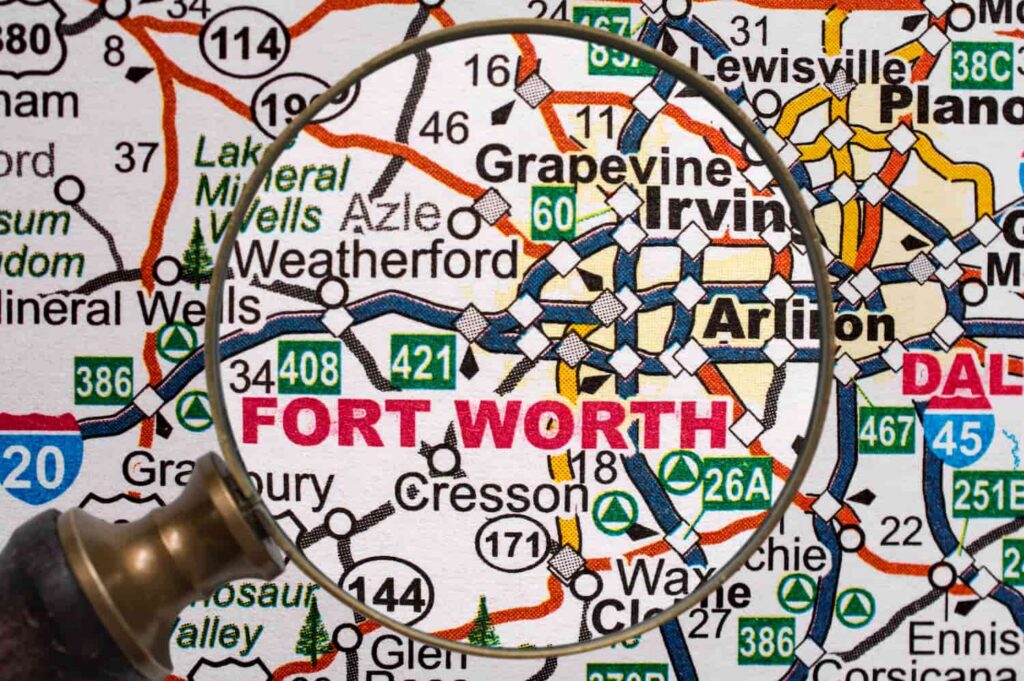
The most dangerous accident hot spots in Fort Worth include heavily congested areas like Interstate 35W, Interstate 30, and the unpredictable interchanges along Loop 820. Commuting through this rapidly growing city brings daily anxiety for many local drivers. Knowing exactly where these accident hot spots in Fort Worth exist helps you make safer travel choices.
The Hard Truth
- High-risk areas: Major highways and intersections such as I-35W, I-30, Loop 820, and busy local roads experience elevated crash rates because of congestion, confusing layouts, and aggressive driving.
- Contributing factors: Heavy traffic, poor visibility, construction, and distracted driving increase the likelihood of collisions in Fort Worth’s busiest areas.
- Staying safe: Defensive driving, strict attention, and proper documentation after an accident are crucial to protecting your health and financial rights.
- Legal support is available: Consulting a Fort Worth car accident lawyer can help you secure fair financial recovery if you are involved in a crash at one of these hot spots.
Highways and Intersections with High Crash Rates
Fort Worth continues to experience massive population growth, bringing thousands of new vehicles to local roads every day. This rapid expansion creates severe bottlenecks and high-risk zones across the entire metroplex. Certain highways and local streets consistently report higher-than-average collision rates.
The Dangers of Interstate 35W
Interstate 35W serves as a major artery for both local commuters and commercial freight trucks traveling across the state. The constant mix of small passenger cars and massive eighteen wheelers creates a highly volatile driving environment. Heavy stop and go traffic often leads to severe rear end collisions.
Drivers frequently attempt sudden lane changes to avoid traffic backups. These aggressive maneuvers leave little room for error and often result in sideswipe crashes at highway speeds.
Hazards Along Interstate 30
Interstate 30 presents another major challenge for Fort Worth motorists, particularly near the downtown exits. The closely spaced on ramps and off ramps force drivers to merge quickly. Merging at high speeds while distracted is a primary cause of multi-vehicle pileups.
The stretch of I-30 passing near the university district also sees heavy congestion during rush hour. Frustrated drivers following too closely cannot brake in time when traffic suddenly halts.
The Complexity of Loop 820
Loop 820 encircles the city and features several complex interchanges that confuse even experienced local drivers. The areas where the loop connects with other major highways are particularly notorious for collisions. Drivers often realize they are in the wrong lane at the last second and make reckless swerves across multiple lanes of traffic.
Local City Streets and Intersections
While highways see the most high-speed crashes, local intersections produce a massive volume of side impact collisions. Major thoroughfares like Camp Bowie Boulevard and University Drive experience constant heavy traffic. Distracted drivers running red lights or failing to yield during left turns cause devastating T-bone crashes.
The intersection of North Main Street and Northside Drive also reports frequent collisions. Pedestrian traffic mixed with impatient drivers creates a dangerous environment for everyone on the road.
Factors Contributing to Collisions in These Areas
Understanding why crashes happen in specific locations helps drivers anticipate and avoid potential danger. Several environmental and behavioral factors combine to make these hot spots particularly hazardous.
High traffic volume remains the most obvious factor contributing to local crashes. When roads reach maximum capacity, the distance between vehicles shrinks dramatically. A minor braking error by one driver can cause a chain reaction that damages five or six cars.
Poor visibility also plays a massive part in intersection collisions. Large trees, poorly placed signage, or sharp curves block a driver’s view of oncoming traffic. A motorist attempting to turn onto a busy street cannot accurately judge the speed of approaching vehicles.
- Ongoing construction: Temporary lane shifts and confusing barriers constantly force drivers to alter their typical routes.
- Aggressive driving: Speeding and tailgating drastically reduce a driver’s reaction time in heavily congested zones.
- Distracted driving: Motorists looking at their cell phones fail to notice red lights or stopped traffic ahead of them.
- Inadequate lighting: Poorly lit stretches of highway make it incredibly difficult to spot debris or stalled vehicles at night.
Recognizing these specific risk factors allows you to build a stronger personal injury claim if another driver causes a collision.
Practical Tips for Drivers to Stay Safe
Defensive Driving Techniques
- Increase following distance: On highways like I-35W or I-30, leave extra space between your car and the one ahead to allow for safe braking.
- Avoid truck blind spots: Make sure you can see the truck driver in their side mirror; if not, they cannot see you.
- Minimize distractions: Keep your phone out of reach and set your GPS before driving to maintain focus on the road.
These practical strategies lower your risk of a crash in Fort Worth’s most hazardous areas.
Taking proactive measures significantly reduces your risk of a severe crash. Defensive driving techniques prove especially valuable when traveling through known danger zones. Maintaining strict focus on the vehicles immediately around you prevents delayed reactions.
Always increase your following distance when driving on I-35W or I-30. Leaving an extra car length between you and the vehicle ahead provides the crucial seconds needed to brake safely.
Avoid driving in the blind spots of commercial trucks. If you cannot see the truck driver in their side mirror, they definitely cannot see your vehicle.
Minimize all distractions inside the cabin of your car. Keep your phone out of reach and program your GPS destination before putting the vehicle in drive. Looking away from the road for just two seconds at highway speeds means traveling the length of a football field completely blind.
The Importance of Documenting a Crash
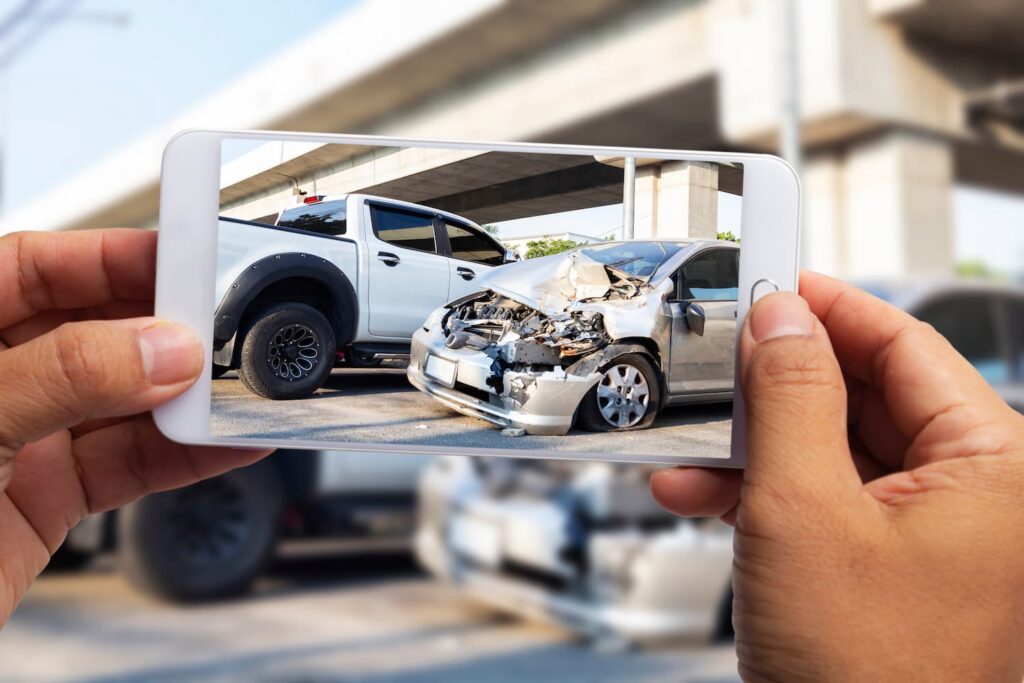
If a collision occurs in a Fort Worth hot spot, taking immediate action at the scene protects your health and your financial future. Insurance companies constantly look for missing information to deny valid injury claims. Thorough documentation provides the undeniable proof needed to hold the careless driver accountable.
Essential Steps for Documenting Your Crash
- Contact law enforcement: Call the local police department immediately after the impact so officers can create an official crash report.
- Gather photographic evidence: Take extensive photos of the scene, vehicle damage, road conditions, and any skid marks before the tow trucks arrive.
- Collect witness information: Speak to anyone who saw the crash and ask for their contact details for future testimony.
- Seek immediate medical care: Visit a doctor the same day to document your injuries and create a link between the crash and your physical condition.
Following these documentation steps will strengthen your claim and help secure the compensation you need after an accident in a Fort Worth hot spot.
Call the local police department immediately after the impact. An official crash report serves as the foundation of any future liability claim. Officers will document the final resting position of the vehicles and issue citations to the driver who broke traffic laws.
Take extensive photographs of the entire scene before the tow trucks arrive. Capture the damage to all vehicles involved, the surrounding road conditions, and any visible skid marks. These images prevent the opposing insurance adjuster from downplaying the severity of the impact.
Speak to anyone who witnessed the crash and request their contact information. Independent witnesses provide unbiased testimony that often proves exactly who caused the wreck.
Seek a comprehensive medical evaluation on the same day as the collision. A prompt doctor’s visit creates a clear medical record linking your physical pain directly to the car crash. Delaying medical care gives the insurance company an excuse to argue your injuries happened somewhere else.
Frequently Asked Questions About Fort Worth Collisions
Do I have to call the police for a minor fender bender?
Texas law requires drivers to report any crash that results in injury, death, or significant property damage. Calling the police ensures you have an official record of the event, which is vital for filing an insurance claim.
What happens if the other driver lies about what happened?
At fault drivers frequently lie to protect their own insurance rates. A legal professional uses hard evidence like traffic camera footage, witness statements, and skid mark analysis to uncover the truth.
Should I speak to the other driver’s insurance adjuster?
You should never provide a recorded statement to the opposing insurance company without legal representation present. Adjusters use carefully worded questions to trick you into admitting partial fault for the crash.
How long do I have to file a lawsuit in Texas?
State law generally gives injured individuals two years from the date of the crash to file a formal lawsuit. Waiting too long destroys vital evidence and permanently bars you from recovering financial damages.
Protecting Your Future After a Collision
A sudden crash on a busy Fort Worth highway drains your savings accounts and leaves you in immense physical pain. Facing this crisis without professional legal support leaves you vulnerable to aggressive insurance tactics. The civil justice system provides a clear path to hold negligent motorists accountable for the physical harm they cause.
Insurance adjusters rely on confusing legal jargon to protect their company profits. Gathering undeniable evidence and applying aggressive legal pressure forces massive corporations to fulfill their financial obligations to injured victims.
Familiarizing yourself with dangerous local roads is the first step toward protecting your physical recovery and financial stability. But every collision involves unique factors that can drastically change the final outcome of a claim.
What would it mean for your family’s financial security to have experienced legal guidance through this complex process?
Contact our seasoned personal injury lawyers in Fort Worth today to discuss the details of your case and explore your options for recovery.