





Most Uber passengers assume the company stands behind them if something goes wrong during a ride. That assumption falls apart the moment you try to file an injury claim.
Uber treats its drivers as independent contractors, not employees, and that classification shapes every part of how the company responds after a crash in Fort Worth.
You opened the app, requested a ride, and got into a vehicle you trusted. A Fort Worth Uber accident lawyer at Stephens Law handles the insurance disputes, corporate deflection, and multi-party claims that follow rideshare collisions across Tarrant County.
If an Uber or Lyft accident in Fort Worth left you injured and unsure who is actually responsible, call (817) 420-7000. We review rideshare accident cases at no charge and collect no fees unless we recover money for you.
Table of contents
- How Does Uber’s Insurance Actually Work After a Fort Worth Accident?
- Who Do You Actually File a Claim Against After an Uber Wreck?
- What Makes a Fort Worth Rideshare Accident Claim Different From a Regular Car Wreck?
- Where Do Most Uber and Lyft Accidents Happen in Fort Worth?
- What Compensation Might Be Available After a Fort Worth Uber Accident?
- How Long Do You Have to File a Lawsuit After an Uber Accident in Texas?
- FAQs for Fort Worth Uber Accident Lawyers
- Stop Waiting for Uber to Do the Right Thing
How Does Uber’s Insurance Actually Work After a Fort Worth Accident?
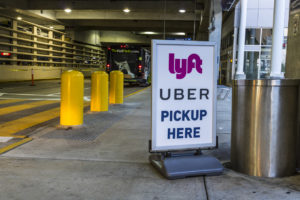
Uber maintains a commercial insurance policy that may cover injuries from a rideshare accident, but the amount of coverage depends entirely on what the driver was doing with the app at the moment of the crash.
The policy is not a blanket safety net. It activates in tiers, and insurers regularly dispute which tier applies.
Both Uber and Lyft structure their coverage around driver status. Texas law requires every driver to carry personal auto insurance, but most personal policies exclude coverage during commercial rideshare activity. Understanding the vehicle and driver requirements for Uber and Lyft can also help explain when personal insurance ends and rideshare coverage begins.
The gap between what the driver’s personal policy covers and what the rideshare company’s policy covers is where most disputes land.
Uber and Lyft Coverage Tiers in Texas
| Driver App Status | What Insurance Applies |
| App is off | Only the driver’s personal auto policy; Uber and Lyft provide zero coverage |
| App is on, no ride request accepted | Uber or Lyft’s limited liability coverage, typically $50,000 per person and $100,000 per accident in Texas |
| Driver accepted a ride request and is en route to pickup | Uber or Lyft’s full $1 million commercial liability policy |
| Passenger is in the vehicle during the trip | Generally, at least $1 million in total liability coverage; possible UM/UIM or other first-party coverage, depending on the policy and current Texas coverage terms |
Why the Tier Matters More Than You Think
The difference between the second and third tiers represents a jump from $50,000 to $1 million in available coverage.
Insurance carriers for Uber and Lyft have strong financial motivation to argue the driver was in a lower tier at the time of the collision. App data, GPS records, and trip logs may confirm or contradict the driver’s account, but that digital evidence sits on company servers.
Getting access to that data quickly matters. A Fort Worth Uber accident lawyer who understands these disputes knows what to request and how to preserve it before the rideshare company’s internal retention window closes.
Who Do You Actually File a Claim Against After an Uber Wreck?
You generally pursue a claim against the person or entity legally responsible for the crash while seeking payment through the insurance policies that cover that liability. A direct claim against Uber or Lyft may be more difficult and depends on the specific facts and legal theory involved.
Uber’s corporate structure is designed to keep the company at arm’s length from liability. The independent contractor classification limits direct claims against the corporation itself.
The driver’s classification does not by itself eliminate coverage under an otherwise applicable rideshare policy. Coverage still depends on the driver’s app status, the circumstances of the crash, and the terms of the policy in effect.
Claim Scenarios That Come Up in Fort Worth Uber Accidents
Fort Worth rideshare collisions follow different liability paths depending on the facts. The most common patterns our attorneys see involve:
- You were a passenger and another driver caused the crash, making the at-fault driver’s insurance the primary source of recovery. Uber’s UM/UIM coverage may also apply, depending on the policy
- Your Uber driver caused the wreck through distracted driving or a traffic violation, activating the rideshare company’s $1 million commercial policy
- Both the Uber driver and another motorist share blame, opening claims against multiple policies at the same time
- You were a pedestrian or cyclist struck by an Uber vehicle in a pickup zone near West 7th, the Stockyards, or downtown Fort Worth
Identifying every responsible party and every available policy early in the process prevents you from settling against one carrier while leaving a larger source of recovery untouched.
What Makes a Fort Worth Rideshare Accident Claim Different From a Regular Car Wreck?
Rideshare accident claims in Fort Worth involve more insurance carriers, more coverage disputes, and more corporate legal resistance than a standard two-car collision. A typical car accident claim involves two drivers and two personal insurance policies.
An Uber accident may involve the driver’s personal insurer, the rideshare company’s commercial carrier, and the at-fault third party’s insurer, all pointing fingers at each other.
The Independent Contractor Problem
Texas law generally treats a rideshare driver as an independent contractor when the company-driver relationship satisfies the conditions in Texas Occupations Code § 2402.114.
That classification can make direct claims against Uber or Lyft more difficult, although it does not eliminate coverage available under an applicable rideshare insurance policy.
How Stephens Law Approaches Multi-Party Rideshare Claims
Handling rideshare accident cases requires the same approach we bring to trucking claims and other multi-party injury cases in Tarrant County.
Jason Stephens has spent nearly 30 years handling injury claims involving corporate defendants, layered insurance structures, and aggressive defense teams. Thomson Reuters has named him a Texas Super Lawyer for 21 consecutive years, and he holds a Fellowship in the American College of Trial Lawyers. These credentials reflect the experience and reputation of a Top Fort Worth personal injury attorney.
We treat every rideshare case with the same preparation we bring to our most high-stakes files. That means preserving digital trip data early, identifying every liable party, and building a documented case that holds up against corporate legal teams trained to minimize payouts.
Where Do Most Uber and Lyft Accidents Happen in Fort Worth?
Uber and Lyft accidents in Fort Worth cluster around high-traffic pickup and dropoff zones, entertainment districts, and routes connecting Tarrant County to DFW International Airport.
The areas where rideshare vehicles stop, idle, and merge back into traffic create collision conditions that regular commuter traffic does not. These traffic patterns often lead to lane-change and merging crashes, making it important to understand what to do after a sideswipe collision if one occurs.
Fort Worth Hotspots for Rideshare Collisions
Certain parts of Fort Worth see a disproportionate share of rideshare-related crashes because of how the streets are designed and how riders use the service:
- West 7th Street between University Drive and the Cultural District, where narrow lanes, heavy bar traffic, and double-parked rideshare vehicles create nightly hazards
- Sundance Square and the surrounding blocks of downtown Fort Worth, where one-way streets and high pedestrian volume make pickups and dropoffs unpredictable
- The Fort Worth Stockyards, especially on weekend nights when surge pricing drives more rideshare vehicles into an area with limited curbside space
- Routes along State Highway 121 and State Highway 183 connecting Fort Worth to DFW Airport, where long-distance rideshare trips mix with fast-moving highway traffic
- The area around Dickies Arena and the Fort Worth Convention Center during events, when thousands of riders request pickups within a compressed timeframe
Crashes in these locations often involve sudden stops, illegal lane changes, or drivers distracted by the rideshare app while navigating unfamiliar streets. Each of these scenarios creates a liability question that an experienced attorney needs to sort through.
What Compensation Might Be Available After a Fort Worth Uber Accident?
Compensation after a Fort Worth Uber accident depends on the severity of your injuries, the applicable insurance coverage, and the degree of fault assigned to each party. Texas personal injury law allows injured people to pursue both economic losses and non-economic harm.
Types of Losses You May Recover
A Fort Worth Uber accident claim may include recovery for the following categories:
- Medical expenses already incurred plus the projected cost of future treatment, including surgeries, rehabilitation, and prescriptions
- Income you lost while recovering and any long-term reduction in your ability to earn at your previous level
- Physical pain, mental anguish, and emotional distress connected to the crash and your recovery
- Diminished quality of life and loss of enjoyment of activities you participated in before the injury
Texas generally does not cap non‑economic damages in ordinary personal‑injury negligence claims; separate statutory limits apply to punitive damages under Texas Civil Practice & Remedies Code § 41.008.
No one may predict a specific dollar figure for your case without reviewing the facts, but the tiered insurance structure in rideshare claims often provides access to larger policy limits than a standard auto accident.
How Long Do You Have to File a Lawsuit After an Uber Accident in Texas?
Texas gives you two years from the date of an Uber accident to file a personal injury lawsuit under Texas Civil Practice and Remedies Code § 16.003. Missing that deadline almost always eliminates your ability to pursue any court-based recovery.
Why Digital Evidence Makes Early Action Even More Important in Rideshare Cases
Rideshare accident cases depend heavily on electronic records that the rideshare company controls. Trip logs, GPS routes, driver ratings, app activity timestamps, and in-app communications all sit on Uber’s or Lyft’s servers.
Neither company is required to preserve that data indefinitely unless they receive a formal preservation request.
Your attorney may send a spoliation letter, a written demand that the rideshare company preserve all digital evidence related to your trip and the collision. Sending that letter early protects evidence that might otherwise be deleted through routine data management.
If you are weighing whether to pursue a rideshare accident claim in Fort Worth, acting before evidence disappears matters more than it does in a typical car wreck. Call (817) 420-7000 to discuss your options.
FAQs for Fort Worth Uber Accident Lawyers
I was hurt as an Uber passenger in Fort Worth. Where do I even start?
Seek medical care, report the crash to police and Uber, and contact a Fort Worth Uber accident lawyer before speaking with insurers.
Avoid recorded statements until you understand your policy obligations and have legal advice. An attorney can verify the driver’s app status, identify available coverage, and handle insurer communications.
My Uber driver rear-ended someone while I was in the car. Who pays for my injuries?
Uber’s $1 million commercial liability policy generally covers passenger injuries when the driver causes a crash during an active trip.
You may file a claim against that policy for your medical bills, lost income, and pain. Your attorney identifies whether additional coverage from other parties also applies.
The other driver hit my Uber, not the other way around. Does Uber’s insurance still apply?
Yes, Uber’s uninsured/underinsured motorist coverage may apply if the at-fault driver lacks adequate insurance. You may also pursue a direct claim against the other driver’s liability policy.
Having an attorney sort through the overlapping policies prevents you from settling with one carrier while missing a larger source of recovery.
Does my own car insurance matter if I was a passenger in an Uber?
It might. Your own auto policy’s UM/UIM coverage may apply as an additional source of recovery if the at-fault driver lacks sufficient insurance.
Even though you were not driving your own vehicle, certain provisions of your personal policy may still protect you as a passenger in someone else’s car. Reviewing your own coverage with an attorney is a good idea after any rideshare accident.
What if the Uber driver left the scene after the accident?
You may still have a viable injury claim even if the rideshare driver left the scene of a Fort Worth accident. The Uber app records trip data including the driver’s identity, vehicle information, and route history.
Law enforcement may use that data along with your police report to locate the driver. Uber’s insurance obligations do not disappear because the driver fled.
How long do Uber accident settlements take in Fort Worth?
The timeline depends on the facts of the case. A simple claim may settle within a few months. Cases involving serious injuries, disputed fault, several insurance companies, or a lawsuit often take longer.
Rideshare claims can move slowly because each insurance company may argue that another insurer should pay. Cases filed in Tarrant County may take more than a year, depending on the court’s schedule.
What if I was hit by an Uber while crossing the street in Fort Worth?
Pedestrians struck by Uber vehicles in Fort Worth may pursue a claim against the driver’s insurance and potentially against the rideshare company’s commercial policy if the driver was logged into the app.
Pedestrian rideshare accidents commonly happen in high-traffic pickup zones near West 7th and downtown. Texas follows a modified comparative fault rule under Texas Civil Practice and Remedies Code § 33.001, so your recovery may be reduced if you share partial fault, and eliminated if you bear 51% or more of the blame.
Do I report the accident to Uber, to the police, or both?
Report the accident to both. Filing a police report creates an official record of the crash that supports your claim. Reporting through the Uber app notifies the company and triggers their insurance review process.
Both reports create time-stamped documentation that strengthens your case. Do not provide a recorded statement to another party’s insurer before speaking with an attorney. If your own insurer requests one, review your policy obligations and consider getting legal advice first.
Stop Waiting for Uber to Do the Right Thing

Uber built its claims process to protect the company, not the passenger. Every day you spend expecting Uber’s system to handle your injuries fairly is a day the insurance carriers use to build their case for paying you less.
Let a Fort Worth Uber Accident Lawyer Sort Through the Layers
Stephens Law has handled multi-party injury claims against corporate defendants in Tarrant County for close to three decades. We take on a limited number of rideshare accident cases and commit the full weight of our resources to each one.
If an Uber or Lyft accident in Fort Worth left you with injuries and a runaround from the insurance companies, call (817) 420-7000. The case review costs nothing, you pay no fees unless we recover money for you, and you speak directly with the attorneys working your claim.
Stephens Law | Personal Injury | Wrongful Death | Truck Accidents Fort Worth Office
1300 S University Dr #300
Fort Worth, TX 76107
Ph: (817) 420-7000