



Stephens Law Firm | March 22, 2026 | Car Accidents
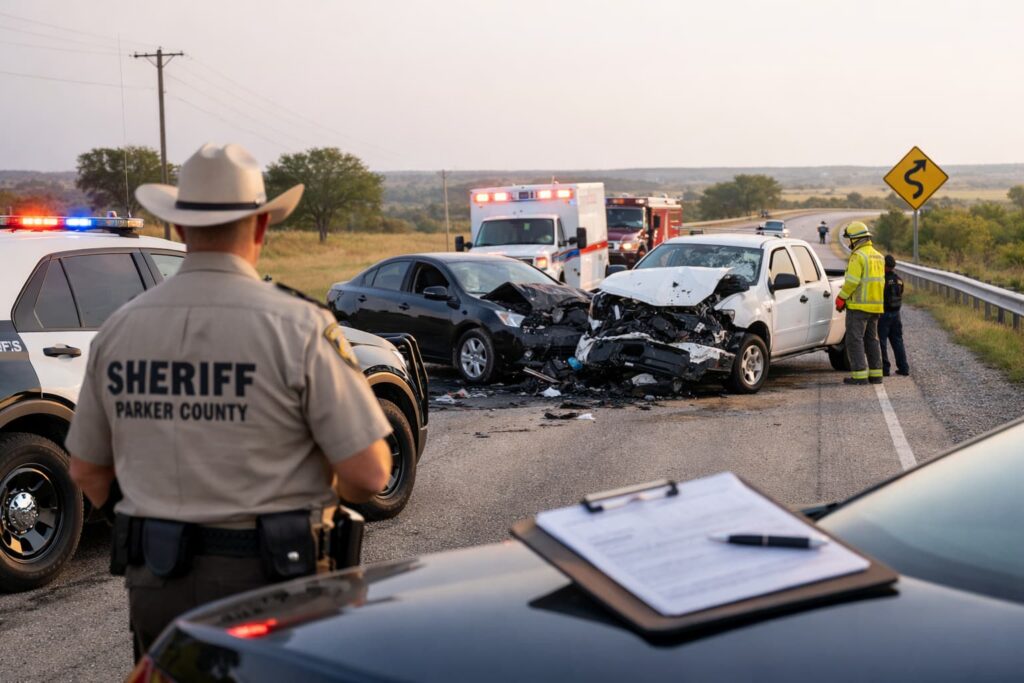
Rural highway crashes in Parker County are particularly severe because high speeds, undivided lanes, and delayed emergency medical responses drastically increase the physical trauma of a collision.
Driving on these open country roads brings a valid sense of vulnerability for local commuters and families who travel them daily. A sudden wreck on a quiet stretch of pavement changes a life instantly, leaving victims with mounting medical bills and agonizing physical pain.
The financial and legal processes following a serious wreck involve highly complex negotiations and strict deadlines. Insurance companies actively fight to reduce their financial liability by shifting the blame onto victims.
A skilled Parker County car accident lawyer in Weatherford steps in to protect injured individuals from these aggressive corporate tactics and fights for fair financial recovery.
The Hard Truths:
- Outdated roads increase risk: Many rural highways in Parker County have design flaws like narrow shoulders, sharp curves, and a lack of guardrails that make serious accidents more likely.
- Small errors have big consequences: Poor road design leaves little room for driver error, meaning a minor mistake can quickly become a catastrophic collision.
- Safety standards are not always met: While national safety guidelines exist for road construction, older rural roads often fall short, creating hazardous conditions for daily commuters.
- Improvements can save lives: Simple changes like widening shoulders, adding guardrails, and improving warning signs are proven ways to reduce crash rates and protect drivers.
- Road design can be a factor in a claim: If you believe hazardous road conditions contributed to your accident, it is important to discuss this possibility with a legal professional to explore all avenues for accountability.
Road Design and Rural Highway Safety
The way a road is built has a direct effect on how safely you can travel on it. In many rural areas, including parts of Parker County, highways were constructed decades ago and were not designed to handle modern traffic volumes or vehicle speeds. These outdated designs often contain features that significantly increase the risk of a serious collision.
Poor road design can make it difficult for even the most careful drivers to avoid a wreck. When a negligent driver’s actions are combined with hazardous road features, the results can be catastrophic. Proving that road design contributed to a crash requires a detailed investigation of the highway itself.
How Specific Design Flaws Increase Crash Risks
Certain characteristics are common on older rural roads and are known to contribute to severe accidents. These elements often leave drivers with little margin for error, turning a small mistake into a major incident.
- Narrow shoulders: Many country roads have very thin or non-existent shoulders, leaving no safe place for a driver to pull over or correct a slight drift out of their lane. A tire dropping off the pavement can cause a driver to overcorrect and swerve into oncoming traffic.
- Lack of guardrails: Guardrails are essential safety barriers that prevent vehicles from leaving the roadway, especially near steep embankments, ditches, or bodies of water. The absence of guardrails on many rural routes means a simple lane departure can become a deadly rollover crash.
- Sharp curves: Curves with insufficient banking or poor visibility make it difficult for drivers to maintain control, especially at higher speeds. A driver who enters a sharp turn too fast may cross the centerline or run off the road entirely.
- Poor signage: Missing or inadequate warning signs fail to alert motorists to upcoming hazards like sharp curves, dangerous intersections, or deer crossing zones. Without proper warning, drivers do not have enough time to slow down and react safely.
Comparing Local Roads to National Safety Standards
National organizations like the Federal Highway Administration (FHWA) publish guidelines for safe road design. These standards recommend specific lane widths, shoulder depths, and clear zones to reduce the likelihood and severity of crashes.
Unfortunately, many rural roads in Parker County may not meet these modern safety benchmarks because they were built long before the standards were established.
Bringing an old highway up to current safety codes is an expensive and time-consuming process for local governments. This often creates a gap between what is considered a safe road design and the reality of what local residents drive on every day.
While a road that does not meet current standards does not automatically make a government entity liable, it can be a significant factor in a crash investigation.
Potential Improvements to Reduce Crash Rates
Several proven engineering solutions can make rural highways safer for everyone. Implementing these changes can dramatically reduce the number of serious injury and fatal collisions. Widening road shoulders gives drivers a recovery area to regain control, while adding guardrails in high-risk areas provides a crucial physical barrier.
Improving signage to give clear and early warnings of hazards is another cost-effective measure. Re-engineering sharp curves and improving sightlines at intersections also helps prevent some of the most common types of rural accidents. These infrastructure investments can save lives and prevent devastating injuries.
Examining how a road’s design contributed to a crash is a complex process, but it can be essential for holding all responsible parties accountable.
Common Causes of High-Speed Rural Collisions
Several unique factors contribute to the frequency and severity of wrecks on country roads. Drivers often treat open highways differently than congested city streets, which leads to risky behaviors and tragic outcomes.
Dangerous Speeding and Passing Maneuvers
Open roads often tempt drivers to exceed the posted speed limits significantly. High speeds drastically reduce a driver’s reaction time when an unexpected obstacle appears in their path. Passing slower vehicles on two-lane roads requires crossing into oncoming traffic, which easily results in devastating head-on collisions if a driver misjudges the distance.
Fatigued and Distracted Driving
Long stretches of unchanging scenery easily lead to driver fatigue. Falling asleep at the wheel for just a fraction of a second at highway speeds sends a vehicle drifting off the road or into oncoming lanes. Distracted driving remains a massive problem, as motorists frequently look down at their cell phones rather than monitor the road ahead.
Wildlife and Environmental Hazards
Parker County has a large deer and other wildlife population that frequently cross rural highways, especially at dawn and dusk. Swerving to avoid an animal often causes a driver to lose control and roll their vehicle into a ditch. Poor weather, such as heavy rain or dense fog, further reduces visibility and makes these country roads exceptionally hazardous.
Specific High-Risk Areas Across Parker County
Certain roads in the region consistently report higher collision rates due to their design and traffic volume. Knowing these danger zones helps motorists adjust their driving habits to stay safe.
The Dangers of Highway 199
Highway 199 serves as a major route connecting rural communities to larger urban centers. The heavy mix of local passenger cars and commercial delivery trucks creates a volatile environment. Sudden stops by vehicles turning into private driveways often lead to high-speed rear-end collisions.
Farm to Market Road 51
FM 51 features numerous sharp curves and narrow shoulders that leave very little room for driver error. Vehicles that drift off the pavement often overcorrect, sending the car spinning across multiple lanes of traffic. The lack of lighting on this route makes nighttime travel especially dangerous.
State Highway 171
This highway experiences significant agricultural and commercial traffic throughout the year. Passenger vehicles attempting to pass slow-moving tractors or freight trucks often take dangerous risks. The resulting crashes frequently involve severe property damage and catastrophic physical injuries.
Vital Steps to Take After a Country Road Collision

The actions you take in the minutes and hours following a crash directly impact your health and your legal claim. Protecting your rights starts before the tow trucks even arrive at the scene.
- Move to safety: Relocate your vehicle to the shoulder if possible to avoid a secondary collision with oncoming highway traffic.
- Contact local authorities: Call the police immediately so an officer can create an official crash report detailing the facts of the incident.
- Document the scene: Take clear photographs of the vehicle damage, skid marks, and the surrounding road conditions before the wreckage is cleared.
- Gather witness information: Collect the names and phone numbers of anyone who stopped to help, as their independent testimony provides crucial evidence.
Taking these immediate actions builds a strong foundation for a personal injury claim when you consult a legal professional.
The Necessity of Prompt Medical and Legal Intervention
Many victims severely underestimate the physical and legal complications that follow a high-speed collision. Delaying action gives insurance adjusters the exact leverage they need to deny a valid claim.
- Seeking immediate medical care: Visiting a doctor on the same day as the crash creates a direct medical record linking your physical pain to the accident.
- Following treatment plans: Attending all physical therapy sessions and follow-up appointments proves to the insurance company that your injuries are serious.
- Refusing early settlement offers: Declining the first fast cash offer prevents you from signing away your rights before you know the full cost of your future medical care.
- Consulting a legal advocate: Hiring a legal representative forces the insurance company to take your claim seriously and stop their deceptive communication tactics.
Partnering with a dedicated legal advocate allows you to focus strictly on your physical healing while they pursue the financial compensation you need.
Frequently Asked Questions About Rural Highway Claims
Finding clear answers to legal questions brings peace of mind after a traumatic event. Accurate information helps you make confident choices about your physical and financial recovery.
What if the other driver lacks insurance?
Many drivers on rural roads operate vehicles without valid auto insurance. Your own uninsured motorist coverage provides a vital source of financial relief in these specific situations. A lawyer helps you file this claim with your own insurance provider to secure funds for your medical bills.
How do I prove the other driver caused the crash?
Proving fault requires gathering hard evidence from the scene of the wreck. Legal professionals use the official police report, witness statements, and physical debris analysis to show exactly how the negligent driver caused the collision.
Will my case have to go to a courtroom trial?
The vast majority of car accident claims settle long before a trial becomes necessary. A strong presentation of evidence usually forces the opposing insurance company to offer a fair settlement. However, preparing the case for trial from day one shows the insurance adjuster that you are fully prepared to fight for your recovery.
Securing Your Future After a Devastating Crash
The physical and financial damage from a rural highway accident places an enormous burden on injured victims and their families. Facing powerful insurance companies alone while trying to heal from serious trauma leaves you in a highly vulnerable position.
The civil justice system provides a clear method to hold careless motorists accountable for the harm they cause on country roads. Insurance adjusters rely on confusing legal jargon to protect their corporate profits at your expense.
Gathering undeniable evidence and applying aggressive legal pressure forces massive corporations to fulfill their financial obligations to injured victims. Familiarizing yourself with the common causes of rural crashes is the first step toward protecting your physical recovery and financial stability.
Every collision involves unique factors that can drastically change the final outcome of a legal claim.
What would it mean for your family to have experienced legal guidance supporting you through this complex process?
Contact our Parker County Weatherford personal injury lawyer today to discuss the specific details of your case.